Recent Posts
Most Popular





Common healthcare interview questions & how to answer them

Summary
- Discover how to craft confident, concise responses to common healthcare interview questions using recruiter-backed tips and sample answers.
- Learn how to present weaknesses and handle tough questions with honesty and growth-focused framing.
- Explore strategies for standing out in interviews, from delivering a strong elevator pitch to asking thoughtful follow-up questions.
- Find out what hiring managers look for, and how to align your responses with an organization’s culture, mission and clinical priorities.
Whether you’re a physician or advanced practice provider (APP), landing the right role goes beyond credentials. The interview is your chance to show not just your clinical expertise, but your communication style, adaptability and cultural fit.
To help you prepare, I spoke with Stacey Rhodewalt, Provider Recruiter at AdventHealth about some of the most common interview questions. Read on for tips to help you navigate your interviews with confidence and clarity.
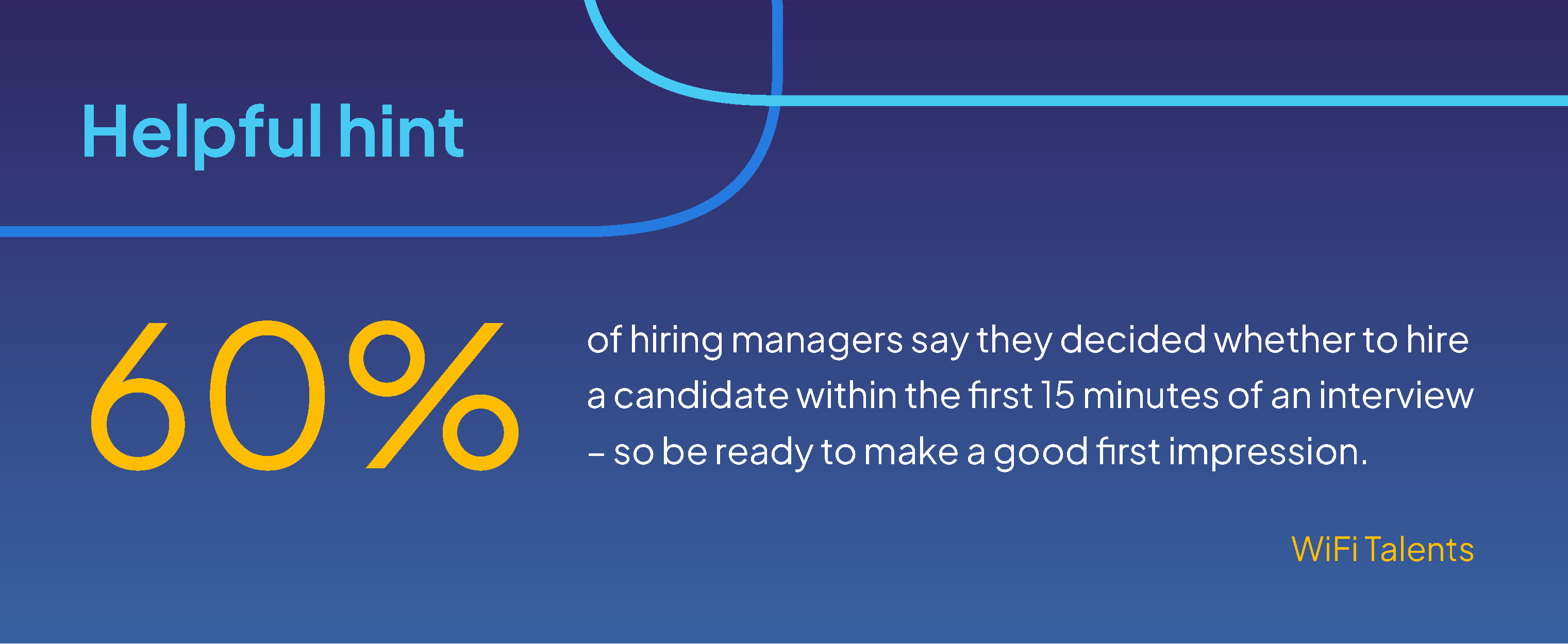
1. Tell me about yourself.
Keep your answer concise and career focused. Highlight your clinical background, key achievements and what brought you to medicine — but don’t dive too deep into personal details unless prompted.
Pro tip: Offer up your title, years of experience and settings in which you’ve worked. Share a bit about what you're professionally passionate about and what your goals for your new role are
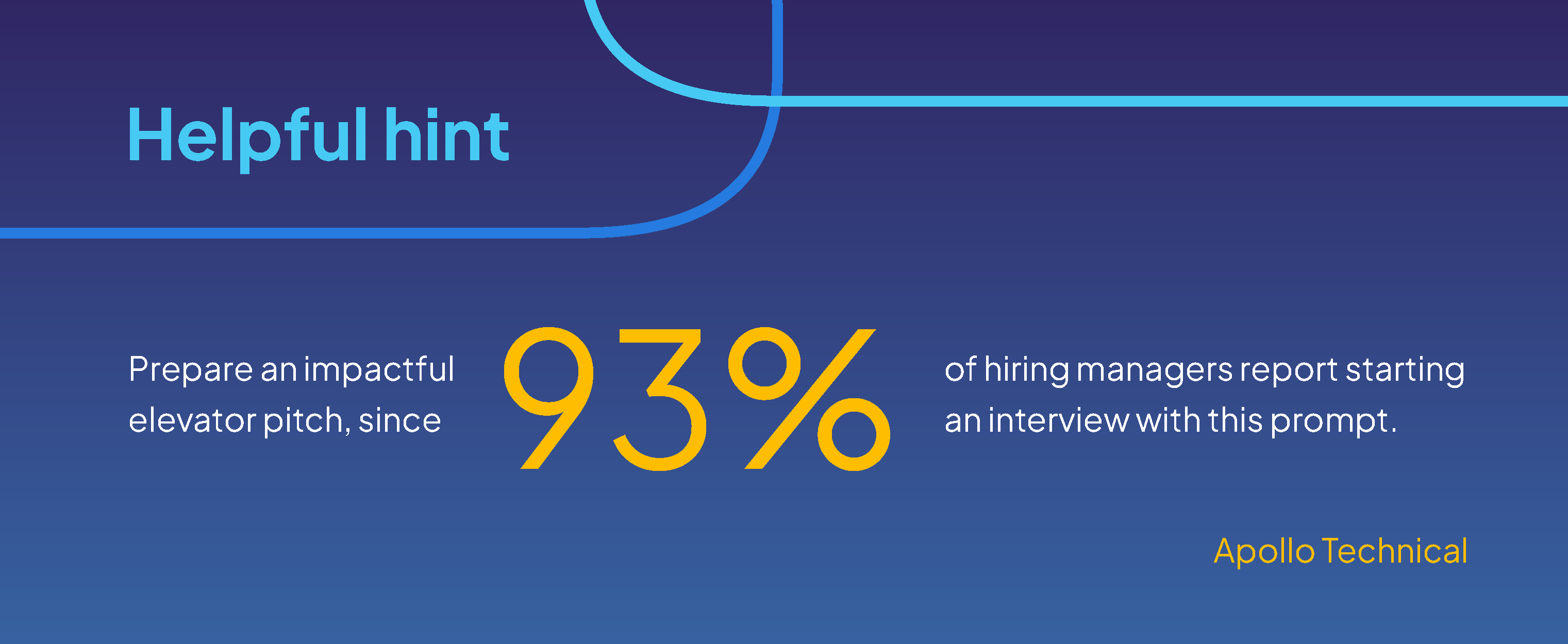
2. What are your greatest strengths?
Focus on strengths relevant to the role such as adaptability, leadership, efficiency or communication. Explain how you’ve built upon your strengths throughout your career and give an example of how you’ve leaned into them in a real-world situation.
Pro tip: Avoid offering attributes that might come across as cliche, disingenuous or as humble bragging. Interviewers can often tell when a candidate is trying to spin weaknesses into ‘fake strengths,’ which can quickly backfire.
3. What is your biggest weakness?
Be honest but show growth. This is where Stacey’s advice rings true:
“Being able to discuss your weaknesses is important and shows humility but be sure to express that you’re working on them to better yourself. For example, offer up situations in which you’ve leaned on other physicians but also had the opportunity to share your strengths, to demonstrate your ability to give and take.”
Pro tip: Describe your initial struggle, how you identified it and what you've done to mitigate it. Highlight positive outcomes you’ve experienced because of working through your weaknesses.
4. How do you handle stress or high-pressure situations?
Emphasize your ability to remain calm and think clearly in acute or unpredictable clinical situations. Mention how you prioritize patient care, delegate tasks efficiently and rely on your training to guide decision-making under pressure.
Pro tip: Share a specific instance when you faced a high-pressure moment — like a code situation, a difficult diagnosis or a patient/family conflict. Then explain how you managed it professionally and what the outcome was.
5. Why are you interested in this role?
According to Stacey, a candidate's ability to demonstrate knowledge about the facility, its culture and the role can be a differentiator.
“While I share a lot about the organization with candidates on our calls, I always hope they have a good idea of what AdventHealth is and have narrowed in on what our culture and mission vision values are before the interview begins. If they can articulate that, it’s a win in my book.”
Pro tip: Be specific. Reference the facility’s mission, patient population or clinical focus — and how they align with your goals.
6. Describe a conflict you’ve had with a colleague and how you resolved it.
Choose a situation that involved a clinical or workplace-related issue, such as communication breakdown, differing treatment approaches or workflow friction. Describe how you resolved the issue to demonstrate maturity, communication skills and the ability to collaborate.
Pro tip: Discuss a professional and relevant example — not a personal disagreement. Avoid personal conflicts, gossip or emotionally charged disputes.
7. Why are you leaving your current position?
Focus on what you’re looking for, not what you’re leaving. Stay positive and frame your decision as a proactive step toward a better fit, more growth or a new challenge.
Pro tip: Show why this move is strategic, not reactionary. Tie your reason for leaving directly to what excites you about the position you’re interviewing for.
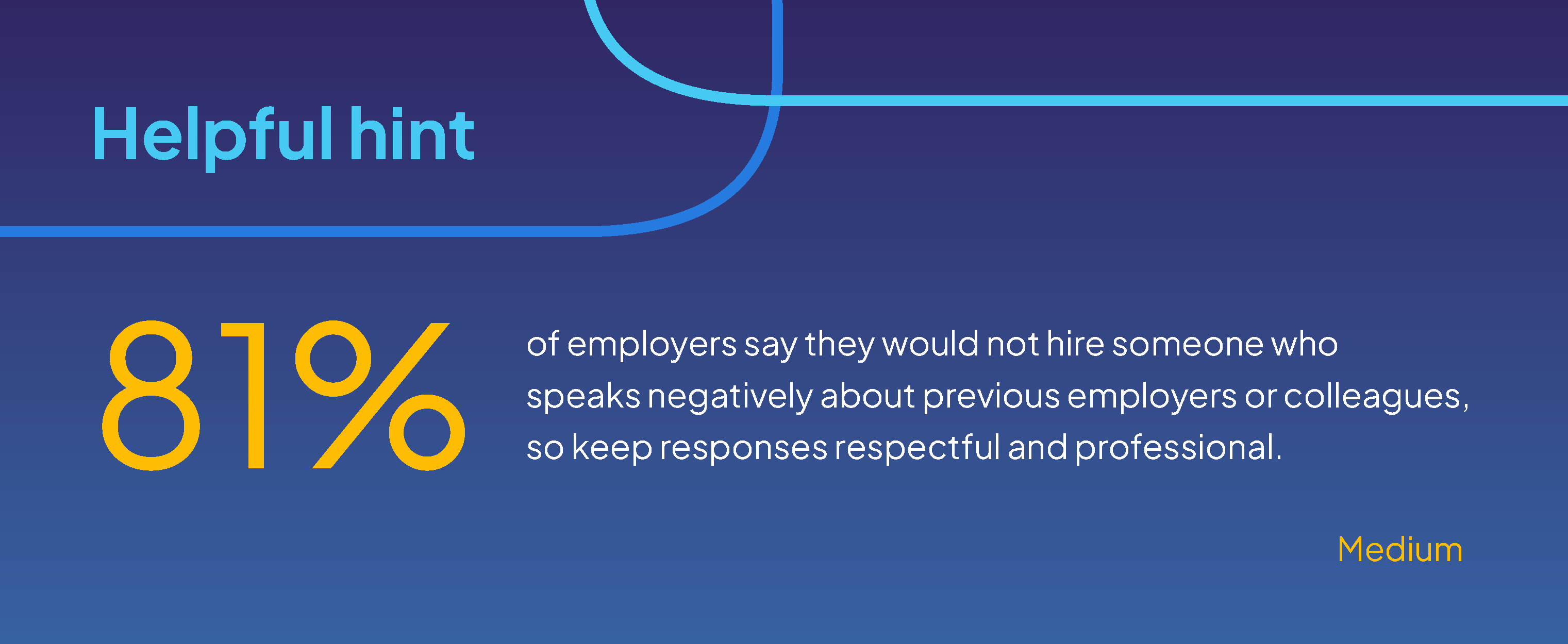
8. What would make you choose one offer over another?
This is one of Stacey’s go-to questions that she often uses to assess motivation and alignment.
“I like to ask what the deciding factors would be if they were to have 2–3 offers at the same time. Their motives will show their drive, and if they can give them in order of importance, it helps us be sure they’re the right fit.”
Pro tip: Tailor your answer to the setting and show awareness of how that specific employer meets your decision criteria.
9. What are your long-term career goals?
This question helps the employer gauge your fit and interest in growth. Avoid overly vague or lofty statements, but rather focus on achievable milestones such as board certification in a subspecialty, clinical leadership or quality improvement work.
Pro tip: Use this as a chance to connect your interests with a bigger picture. If you love working in a specific setting or with a particular population, let that drive your answer.
10. Do you have any questions for us?
According to Stacey — always say yes! Thoughtful questions show you're engaged, curious, prepared and genuinely interested in the position and the institution.
"I always appreciate it when candidates ask what personally keeps me at AdventHealth, inquire about management support for our clinicians or ask what our providers have to say about our team culture,” she shares. “Well-timed and thoughtful questions can go a long way in making a positive and memorable impact during an interview.”
Pro tip: Bring a short list of 3–5 questions with you to the interview. Prioritize the ones that help you decide if it’s the right clinical and cultural fit.
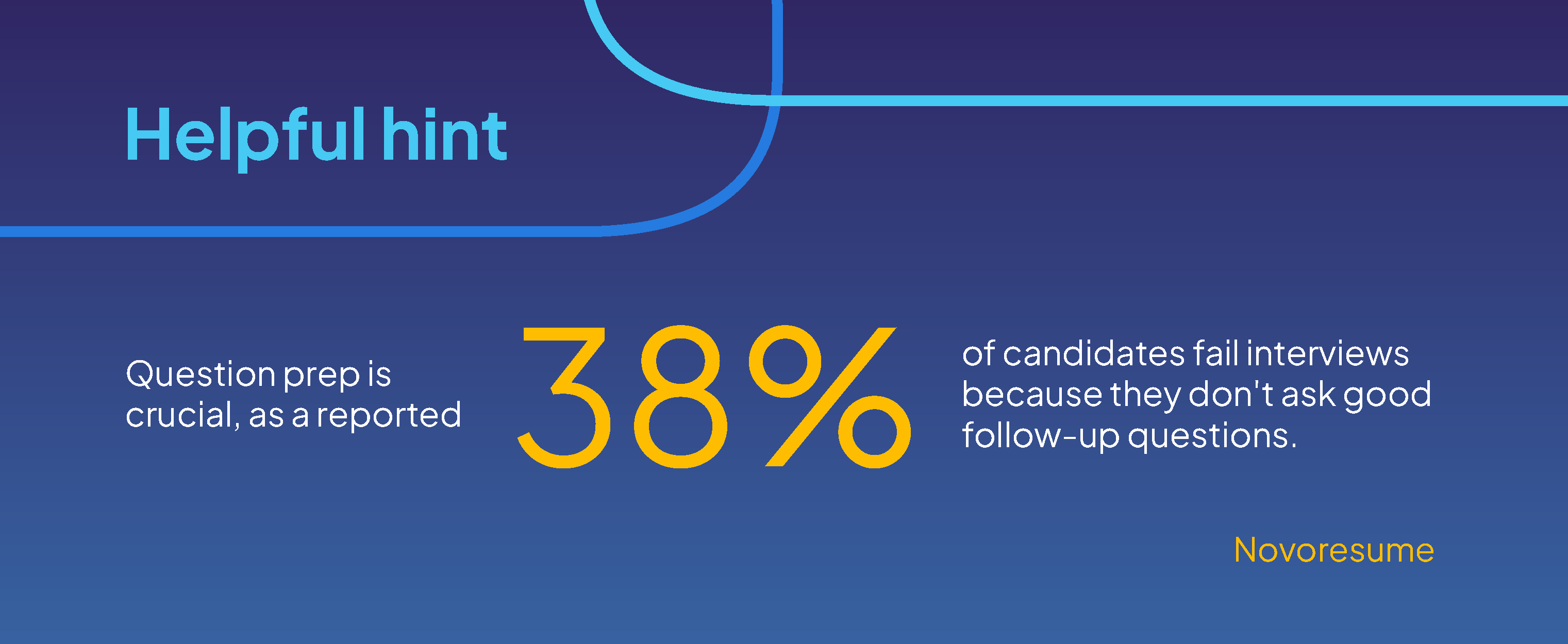
Bonus tip: Make your interview memorable
During our conversation, Stacey also shared a standout interview moment that perfectly illustrates the value of thoughtfulness and preparation:
“One of the best interviews I had was with a physician who brought a small trinket from his home country — a symbol of good luck. He also pre-submitted all of his documentation and followed up with thank-you notes to the entire team. That level of preparedness and courtesy made a lasting impression, and we’re lucky to have him.”
Final thoughts
In today’s competitive healthcare job market, strong interview skills will set you apart in a crowded pool of candidates. By preparing thoughtful, authentic responses to these common questions — and showing genuine interest in the role and team — you’ll position yourself for success.
Need help finding your next role? Check out top physician and APP openings on DocCafe. Or visit our partners at Aya Locums to explore flexible locum tenens opportunities, nationwide.
All information, discussions and opinions contained within this blog or otherwise on the website or any linked materials (the “Blog Content”) is for general informational purposes only. All Blog Content is based on the author's opinions and experiences and is not necessarily representative of our opinions as an organization. It should not be considered as tax/financial advice, legal advice, compliance advice, health advice or other professional advice and does not constitute the practice of any medical, nursing or other professional healthcare advice, diagnosis or treatment or provision of legal services. You should seek professional assistance for any concerns or issues. If you or any other person has a medical concern, you should consult with your healthcare provider or seek other professional medical treatment immediately. While we strive to provide accurate and up-to-date information, we make no warranties or representations regarding the completeness, reliability, or accuracy of the Blog Content. Your use of the Blog Content is solely at your own risk and we will not be liable for any damages or losses arising from the use of, or reliance on, any Blog Content.



Comments